








1. Excessive exercise
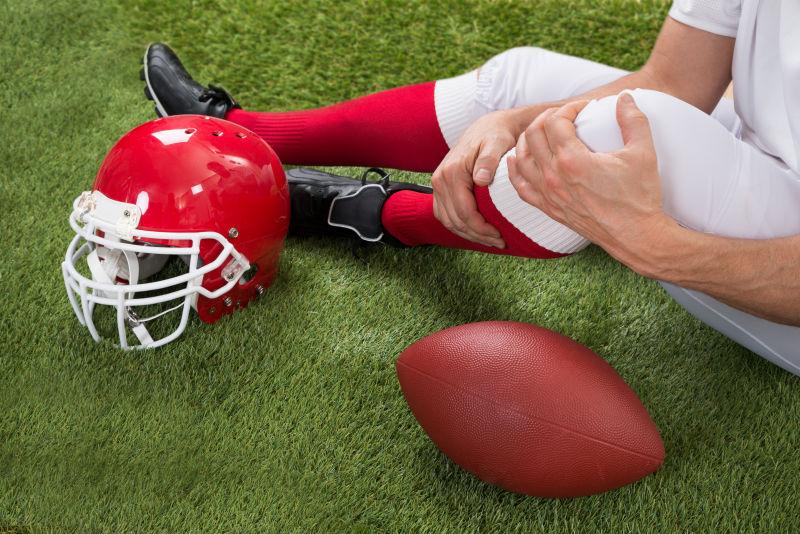
Excessive exercise may lead to inflammation of muscle tissue and even cause rhabdomyolysis, a disease caused by excessive exercise. Excessive exercise may also lead to problems such as joint pain.
2. Exercising without warming up
If you don’t warm up properly, during exercise, you may suffer from muscle strains or tears. In severe cases, you may even be unable to continue exercising or walking. There is also a possibility of joint injuries, cardiovascular stress and other sports injuries.
3. Incorrect ways of exercising
For instance, mountain climbing and stair climbing are weight-bearing exercises. They are not recommended for middle-aged and elderly people, those who are overweight, pregnant women, or people with knee injuries.
4. Unbalanced nutrition
If one only focuses on the intake of major nutrients such as protein, carbohydrates and fat after exercising, while neglecting the intake of vitamins and minerals, it may lead to an imbalance in nutrition, thereby causing some diseases, such as beriberi, anemia and scurvy.
5. Improper behavior after exercise
For instance, immediately squatting or sitting down to rest, overindulging in cold drinks, eating right away, experiencing a sudden drop in body temperature, taking a bath immediately, or smoking right away, all these may have negative impacts on the body.
6. Environmental factors
Some facilities in the gym may become sources of air pollution. Without good ventilation equipment and convection devices, it may cause the exhaust gas to continuously circulate in the limited space, inducing respiratory diseases such as pharyngitis and tracheitis.
7. Sports Misconceptions
For instance, some people think that the more sweat one sweats after exercising, the better. In fact, an excessively low indoor temperature can prevent the sweat from coming out, leading to clogged pores and thus catching a cold.